
This may fit if
- You had an affair and do not know how to face it, or your partner.
- You found out your partner was unfaithful and feel knocked flat.
- You keep replaying what happened and cannot sleep or focus.
- You want to stay and rebuild, but you do not trust yourself or them yet.
- You are not sure whether to stay or go, and need a clear head.
Who is this page for?
Two very different men read a page like this. One had an affair, or an emotional one, and is carrying guilt, fear and maybe relief that it is out. The other was cheated on and feels hurt, angry, humiliated or numb. Both often feel very alone.
I work with both. I do not take sides, and I do not lecture. What I offer is a private place to be honest about what happened and what you want to do next. Many men in Bellingham and across Whatcom County tell no one at all, and the silence makes it heavier.
If you are the one who cheated, where do you start?
Start with honesty, first with yourself. It is hard to take real ownership if you have blind spots about why it happened. That does not mean excuses. It means looking plainly at the stress, the distance, the habits or the old patterns that were there before.
Then comes accountability. A sincere apology, no more lies, and asking your partner what they need from you, then listening to the answer. Cleveland Clinic notes that the person who did the hurting cannot set the pace: trust takes time to grow back, and every person is different.
Be honest about whether you can follow through. Promising change you cannot keep can hurt your partner a second time. If the affair is part of a wider pattern of sexual behavior that feels out of control, my page on compulsive sexual behavior support may fit better.

If you were cheated on, what helps?
Betrayal can feel devastating and confusing. Your sleep, appetite and focus may all take a hit. That is a normal human reaction to a deep shock, not a sign that something is wrong with you.
Be kind to yourself, whatever you decide. If you choose to stay and work on it, that takes real effort. Cleveland Clinic suggests saying clearly what you need and expect going forward, and setting new boundaries that fit this new stage. If you choose to leave, see divorce and separation support.
You do not have to forgive on anyone's timeline. In my sessions we work on the anger, the replaying thoughts and the hit to your self-worth, so you can make decisions from a steadier place.
What do sessions with me look like?
I am a registered hypnotherapist. I use talk-based counseling, guided relaxation, hypnotherapy and simple cognitive behavioral tools. You can read about my background. Sessions are online, by secure video (Zoom) or by phone, for men who are located in Washington State at the time of each session.
- Introductory callYou share as much or as little as you like. I explain how I work and whether I think I am a good fit.
- Steady the groundEarly sessions often focus on sleep, stress and the waves of emotion. Many men find guided relaxation and hypnotherapy help them feel calmer.
- Get honest about the storyWe look at what led here and what you want now, without blame or shame running the conversation.
- Plan the hard talksWe prepare for conversations with your partner: what to say, how to listen and when to pause. The communication page has the tools we practice.
Should we also see a couples counselor?
If you both want to work on the relationship together, a licensed couples therapist or marriage and family therapist is the right professional for joint sessions. Harvard Health lists infidelity and trust issues among the problems couples therapy commonly addresses. I do not offer couples sessions.
Individual sessions with me can sit alongside that work. Some men want a place of their own to sort through guilt, anger or grief before or during joint sessions. For the wider picture of distance with a partner, see relationship counseling for men.
When is it more than I can help with?
If you are having thoughts of harming yourself, cannot get through the day, or feel low most days for weeks, please see a doctor or a licensed mental health professional. I can be a support alongside that care, not a replacement.
Ian Whitelaw Counseling for Men is not an emergency service. If you are in crisis, call or text 988, or call 911. When you are ready for a first step, send me a message. Fees and superbills are explained on the fees and insurance page.
Common questions
Can trust really come back after an affair?
For some couples it can, slowly, when both people want to work on it and the person who cheated takes real responsibility. It may not look exactly like before. I cannot promise how your situation will turn out, and no one honestly can. What I can do is help you show up as honestly and steadily as possible.
Will you tell my partner what I say?
No. My sessions are one-on-one, and I do not contact your partner. We can talk about privacy and confidentiality on the introductory call so you know what to expect. Deciding what to share with your partner, and when, is often one of the things we work on together.
I cheated. Are you going to judge me?
No. Shame tends to push men into hiding, and hiding is what damages trust most. I will be direct with you about accountability, but I will not moralize. The point is to understand what happened and to choose what kind of man you want to be from here.
Can hypnotherapy stop me thinking about the affair?
No one can erase a memory, and hypnosis is not a way to uncover hidden memories either. You stay aware and in control during hypnotherapy. Many people find it helps them relax and feel less flooded when the thoughts come. We use it alongside honest conversation and practical tools.
References
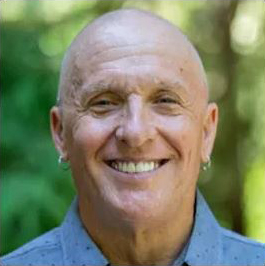
Published by Ian Whitelaw Counseling for Men, the practice of Ian Whitelaw, Washington State Registered Hypnotherapist (HP61341961). Last updated October 27, 2026. This page is general information, not medical or mental health advice, a diagnosis or a substitute for care.