
This may fit if
- Your mind keeps running through what could go wrong, especially at night.
- You feel tense or on edge before work meetings, appointments or hard conversations.
- You already see a doctor or a licensed therapist and want something calming to add.
- You would rather learn a skill you can use on your own than just talk about the worry.
- You are curious about hypnosis but want a plain, honest explanation first.
Can hypnotherapy help with worry and nervousness?
It may, for some men, and I want to be straight with you about what the research says. The National Center for Complementary and Integrative Health notes that hypnosis has been studied for anxiety, for example before medical or dental procedures, and that some results are promising but the overall evidence is not conclusive.
Cleveland Clinic describes hypnosis as a complementary approach: something used along with regular medical or psychological care, not instead of it. That is how I see my work too. Many men find that learning to settle the body and quiet the mind gives them a little more room to think before worry takes over.
If you want the bigger picture first, my hypnotherapy in Bellingham page covers what hypnosis is, what it is not, and the common myths.
When is anxiety a reason to see a doctor first?
Some worry is a normal part of life. The National Institute of Mental Health says it may be time to talk to a professional when stress or anxiety gets in the way of everyday life, makes you avoid things, or seems to be there all the time. MedlinePlus adds that anxiety can come with a racing heart, sweating and feeling restless or tense.
If your anxiety is severe, constant or getting in the way of work, sleep or family life, please start with your doctor or a licensed mental health professional. Some physical health problems can play a part, and a doctor can check for them. I can be a complement to that care, not a replacement. My sessions are not medical or mental health care, and I do not give medication advice.
If you are in crisis or thinking about harming yourself, call or text 988 or call 911. Ian Whitelaw Counseling for Men is not an emergency service. My crisis resources page lists more places to turn.

What does a session for worry look like?
There is more on the first session itself on my what to expect page.
- We talk firstYou tell me what the worry looks like in your week: when it shows up, what sets it off, and what you have already tried. Nothing is off the table, and you choose how much to share.
- We slow things downI guide you into a relaxed, focused state with slow breathing and tensing and releasing your muscles. You stay aware, you can hear me, and you can open your eyes at any time.
- We rehearse being steadyWhile you are relaxed, I offer simple suggestions you have agreed to beforehand, such as picturing yourself walking into the meeting you dread while your breathing stays slow.
- You take something homeWe finish by talking about what you noticed. You leave with one short exercise to practice before the next session, so the skill belongs to you.
What else do we use besides hypnosis?
Hypnosis is one tool. I also use guided meditation and relaxation, cognitive behavioral tools and plain talk-based counseling. In practice that means learning to notice a worried thought, question it, and choose a more useful one.
The National Institute of Mental Health suggests some everyday habits that can help with stress and worry: keeping a journal, regular exercise and meals, a steady sleep routine, cutting back on caffeine, and reaching out to people who help you cope. We can look at which of these fit your life and how to make them stick.
If most of your tension comes from work and a full schedule rather than worry itself, my page on hypnosis for stress includes a short self-hypnosis routine you can try today.
Will I stay in control?
Yes. Cleveland Clinic explains that the idea of hypnosis as mind control is a myth, and that most people remember everything that happens in a session. You are not asleep. You stay aware of where you are, and you cannot be made to do anything you do not want to do.
Side effects are rare, but Cleveland Clinic lists a few, including headaches, drowsiness and, for some people, more anxiety. If anything feels wrong, tell me and we stop or change course. Hypnosis also does not suit everyone, and that is fine to find out.
Common questions
Can hypnotherapy replace my medication or a licensed therapist?
No. Please do not stop or change any medication without talking to your prescriber. Hypnotherapy with me is meant to sit alongside care from your doctor or a licensed mental health professional. If you are already working with someone, it is a good idea to let them know you are trying hypnosis.
How many sessions will I need?
There is no set number, and I will not promise a result by a certain date. Some men want a few sessions to learn a relaxation skill they can use on their own. Others like to keep meeting while they work on a stressful stretch of life. We will check in on whether it is helping as we go.
Can I do this online from home?
Yes. All my sessions are online, by secure video (Zoom) or by phone, for clients who are located in Washington State at the time of each session. Many men find it easier to relax at home. My online sessions page has tips on setting up a quiet, private spot.
How do I get started?
Call or email me, or use the contact form, to set up an introductory call. We will talk about what is going on and whether my approach is a good fit. You can read about my background on the about page and costs on the fees and insurance page.
References
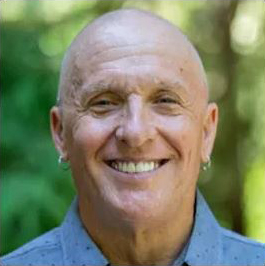
Published by Ian Whitelaw Counseling for Men, the practice of Ian Whitelaw, Washington State Registered Hypnotherapist (HP61341961). Last updated October 27, 2026. This page is general information, not medical or mental health advice, a diagnosis or a substitute for care.