
This may fit if
- You have been carrying something for a while and haven't told anyone.
- You feel short-tempered, flat or wound up, and you're not sure why.
- Your relationship feels distant and you want to understand your part in it.
- You'd rather talk to another man, plainly, without a lot of jargon.
- You want a few practical tools, not years of open-ended talking.
Why do so many men put off asking for help?
Most men I talk with waited a long time before they called. Some were taught to handle things on their own. Some worried that talking would make them look weak, or that they'd be told what's wrong with them. Others just stayed busy until the pressure showed up somewhere else: at home, at work or in their sleep.
That pattern is common. The National Institute of Mental Health notes that men are less likely than women to have received mental health care in the past year, and that stress in men can show up as anger, irritability, trouble sleeping or drinking more, not only as sadness.
So if you are reading this and still not sure, that is fine. You don't need a crisis or a label to talk to someone. Feeling stuck, tense or disconnected is reason enough.
What do my sessions with men look like?
I am a registered hypnotherapist based in Bellingham, and I work one-on-one with adult men. I am not a licensed mental health professional, and I don't put labels on people. What I offer is a steady, private hour where you can say what is really going on, and some practical ways to work with it.
Depending on what you want, a session may include plain talk, cognitive behavioral tools for spotting unhelpful thoughts, guided relaxation, or hypnotherapy. Hypnosis is a focused, relaxed state. You stay aware and in control the whole time, and you can stop whenever you want.
- A short introductory callYou tell me a little about what's going on, ask your questions, and we see whether working together makes sense. No pressure either way.
- The first full sessionWe talk about what brought you here and what you'd like to be different. I explain the methods I use, and you choose what feels right.
- Working sessionsWe use talk, practical tools and, if you want it, hypnotherapy or guided relaxation. You leave with something small to try during the week.
- Checking inWe look at what is helping and what isn't, and adjust. You decide how often we meet and when to stop.

What do men come to me for?
Men bring all kinds of things. These are some of the most common:
- Stress and burnout from work, money or caring for family
- Feeling distant from a partner, or relationship strain
- Frustration, irritability or a short fuse
- Grief, loss and big life changes such as divorce or retirement
- Self-doubt, low confidence or feeling stuck
- Habits or urges that feel out of control
How do online sessions work across Washington?
All sessions are online, by secure video (Zoom) or by phone. You can be at home in Bellingham, in your truck on a lunch break in Whatcom County, or anywhere else in the state. Sessions are for clients who are located in Washington State at the time of each session.
Many men find it easier to talk from their own space. No waiting room, no one seeing you walk in. If you're curious about how a first session goes, the what to expect page covers it step by step.
When is a doctor or licensed professional the right call?
My work is a support, not a replacement for medical or mental health care. If low mood, worry or sleep problems have lasted two weeks or more and are getting in the way of daily life, talk to your doctor or a licensed mental health professional. You can work with me alongside that care.
Ian Whitelaw Counseling for Men is not an emergency service. If you are in crisis or thinking about suicide, call or text 988, or call 911 if you are in danger. Veterans can dial 988 and then press 1 for the Veterans Crisis Line. More numbers are on the crisis resources page.
Common questions
Do I have to talk about my childhood or my feelings right away?
No. We start with whatever is bothering you now, whether that's work, a relationship or how you have been sleeping. Some men later choose to look at older patterns, including through inner child work, but that is your call. You set the pace, and you can always say you'd rather not go there yet.
Do you see couples or run groups?
No. My sessions are one-on-one with adult men only. If your partner wants support too, a licensed couples or marriage and family professional is the right fit for joint sessions. Working on your own side of things can still make a real difference to how you show up at home.
Do you take insurance?
I am out of network with insurance plans. I can give you a superbill, which is an itemized receipt you can send to your plan for possible out-of-network reimbursement. Whether your plan pays is up to them, so check first. The fees page has the details.
How do I get started?
Call or email me, or use the form on the contact page to set up an introductory call. My hours are Monday to Friday, 9 am to 5 pm Pacific. If you'd like to know more about my background first, read about me.
References
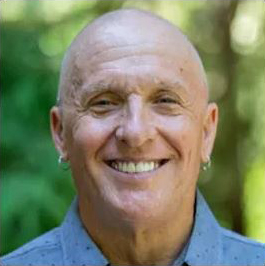
Published by Ian Whitelaw Counseling for Men, the practice of Ian Whitelaw, Washington State Registered Hypnotherapist (HP61341961). Last updated October 27, 2026. This page is general information, not medical or mental health advice, a diagnosis or a substitute for care.