
This may fit if
- You know what you mean, but it comes out wrong.
- Your partner says you do not listen, and you are not sure what that means.
- You go silent in an argument, or you get louder.
- Small comments turn into big fights.
- You avoid hard topics because they never seem to go well.
Why does talking with a partner feel so hard sometimes?
Most men were never taught how to talk about feelings. We learned to fix things, keep the peace or say nothing. So when a hard talk starts, the body often takes over: the jaw tightens, the voice rises or the mind goes blank.
Often the problem is not the words. It is timing, tone and whether the other person feels heard. I wrote about this in an article for Brainz Magazine called "Why Is Communication Important In Relationships?". The short version: a partner should not have to guess what you mean, and you should not have to guess what they mean either.
What practical tools can help?
These are simple tools I teach and practice with men. None of them is magic. They get easier with repetition, like any skill.
Five tools to try this week
- Pause first. If you feel yourself heating up, say you need a break and name a time to come back. A calm talk later beats a heated one now.
- Check HALT. Before a hard talk, ask yourself if you are hungry, angry, lonely or tired. Deal with that first if you can.
- Reflect back. Repeat the main point you heard in your own words, then ask if you got it right. It shows the other person they are being heard.
- Use "I" statements. Describe the problem, say how you feel, then make a clear ask. "I noticed we stopped eating together. I miss it. Can we try dinner at the table this week?"
- Share the spotlight. When your partner brings up a problem, keep the focus on them for a while before you turn to your side.

What about listening?
The other half of talking is listening, and it is often the harder half. Active listening means trying to really understand how the other person feels, not just waiting for your turn. It starts with putting the phone down.
A useful habit is setting an intention before a talk. Instead of "I want to prove I am right," try "I want to understand why my partner sees it differently." That small shift can change the whole tone of a conversation.
If arguments at home tend to get heated, the anger and frustration page covers staying steady when you feel your temper rising.
How do my sessions help with communication?
My sessions are one-on-one with men. I do not offer couples sessions, but what you practice with me goes home with you. I use talk-based counseling, simple cognitive behavioral tools and hypnotherapy. You can read about my background and training.
Sessions are online, by secure video (Zoom) or by phone, for men who are located in Washington State at the time of each session. The what to expect page walks through a first session.
- Pick one real conversationWe start with a talk that went badly, or one you keep avoiding. Real examples teach more than theory.
- Slow it downWe go through it step by step: what you felt in your body, what you said, what you wanted to say. Patterns tend to show up fast.
- RehearseWe practice the pause, the reflect-back and the "I" statement until they feel less awkward. Some men use guided relaxation or hypnotherapy to feel calmer before the real thing.
- Try it and reviewYou use one tool at home that week. Next session we look at what worked and adjust.
Is this only for romantic relationships?
No. The same tools help with grown children, parents, coworkers and friends. Many fathers use them with their kids. The parenting and family page covers that side. If the main issue is distance with a partner, see relationship counseling for men.
Ian Whitelaw Counseling for Men is not an emergency service. If you are in crisis or worried about your safety or someone else's, call or text 988, or call 911.
How do I start?
Call, email or send me a message to set up an introductory call. I work with men in Bellingham, around Whatcom County and across Washington. Payment and superbill details are on the fees and insurance page.
Common questions
Can I learn better communication without my partner in the room?
Yes. Communication is a skill, and one person changing how he talks and listens often changes the feel of the whole conversation. You practice with me, then try it at home. If you both want joint sessions, a licensed couples therapist is the right fit, and you can do both at the same time.
What if I shut down and cannot find the words?
That is very common, and it is not a character flaw. Often the body is overloaded. We work on noticing the early signs, taking a short break without walking out for good, and coming back with a few plain words. Relaxation and hypnotherapy can help some men feel steadier in those moments.
Where can I read your Brainz Magazine article?
The article is called "Why Is Communication Important In Relationships?" and it is published in Brainz Magazine, where I am an Executive Contributor. It covers listening, saying what you mean when you mean it, and why a partner should not have to guess. A search for the title will bring it up.
How many sessions does it take?
There is no fixed number, and I cannot promise a timeline. Some men want a few sessions to learn and practice specific tools. Others come longer because communication is tied to bigger things, like stress or old family patterns. We check in regularly so you can decide what makes sense.
References
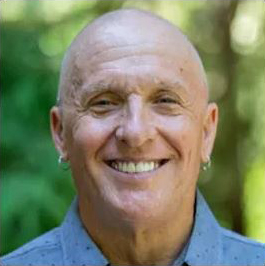
Published by Ian Whitelaw Counseling for Men, the practice of Ian Whitelaw, Washington State Registered Hypnotherapist (HP61341961). Last updated October 27, 2026. This page is general information, not medical or mental health advice, a diagnosis or a substitute for care.