
This may fit if
- Work follows you home, and your shoulders are tight by Wednesday.
- You lie awake running through tomorrow's list.
- You snap at people you care about and feel bad about it later.
- You want a skill you can use in a parked truck or at your desk, not another app you forget.
- You have tried to just push through, and it is not working as well as it used to.
Can hypnosis help with stress?
It may help some men, and it is worth trying with honest expectations. MedlinePlus explains that stress is how your brain and body respond to a challenge or demand. Hormones raise your heart rate and blood pressure and get you ready to act. That is useful for a deadline. It is hard on you when it never switches off.
Cleveland Clinic describes hypnosis as a state of deep relaxation and focused concentration, and gives feeling less job stress as one example of a suggestion a hypnotherapist might use. It also says many of the benefits people report are anecdotal and that researchers are still studying how hypnosis works. So I will not promise you a result. What I can offer is a calm, practical way to practice switching off, with someone guiding you.
How do you know stress has gone on too long?
MedlinePlus lists some signs of long-term stress. Many men get so used to them they stop noticing:
- Getting sick more often than usual
- Stomach problems or trouble digesting food
- Trouble sleeping
- Headaches
- Feeling sad, angry or easily upset

When should you see a doctor about stress?
MedlinePlus says to get help from your health care provider if you have severe symptoms for two weeks or more, such as trouble sleeping, changes in eating that shift your weight, or trouble getting out of bed because of your mood. Long-term stress can also play a part in serious health problems, so a checkup is a good idea. Hypnosis with me can sit alongside that care, not replace it.
If you are in crisis or thinking about harming yourself, call or text 988 or call 911. Ian Whitelaw Counseling for Men is not an emergency service.
If stress has turned into deep exhaustion and you feel you have nothing left, my page on burnout in men may fit better. If the main problem is worry that will not let go, see hypnotherapy for anxiety.
A self-hypnosis routine you can use anywhere
Hypnosis usually moves through four stages: settling in, going deeper, suggestion and coming back out. Here is a short version you can do on your own, sitting down, in a few minutes. Do not do it while driving or using machinery.
- Settle inSit with both feet on the floor. Breathe in slowly through your nose and out a little longer than you breathed in. As you breathe in, tense your hands and shoulders. As you breathe out, let them go. Repeat a few times.
- Go deeperClose your eyes and picture walking slowly down a short staircase, one step for each out-breath. With every step, let your jaw, neck and back loosen a little more.
- Give yourself one suggestionPick one short, plain sentence and repeat it quietly, for example: "I can handle the next hour one thing at a time." Keep it about what you want, not what you are trying to stop.
- Come back upPicture walking back up the stairs. Count up from one to five, take a full breath, open your eyes and notice the room before you stand.
How do sessions with me work?
In a session we talk first about where the pressure is coming from: the job, money, family needs or all of it at once. Then I guide you through a longer, deeper version of the routine above, with suggestions we have agreed on together. You stay aware and in control the whole time. Afterward we talk through what you noticed and adjust the routine so it fits your day.
Hypnosis is only part of it. I also use guided meditation, cognitive behavioral tools and plain conversation. The National Institute of Mental Health suggests some everyday habits that can help with stress, like keeping a journal, regular exercise and meals, a steady sleep routine, less caffeine, and reaching out to people who help you cope. We can work out which of these you will actually do.
You can read more about how I work on my approach page, and about doing all of this by video on online hypnotherapy in Washington.
Common questions
Does self-hypnosis really work for stress?
Research on hypnosis is mixed and still developing, so I will not tell you it works for everyone. Many people find that a short, regular relaxation routine helps them feel more settled. The way to find out is to practice it most days for a couple of weeks and notice whether anything changes.
Will I be asleep or lose control?
No. Hypnosis is not sleep. Cleveland Clinic notes that most people remember everything that happens during a session and stay in control of their mind and thoughts. You can open your eyes and stop at any time, and I cannot make you do anything you do not want to do.
I live in Bellingham. Do I need to come to an office?
No. All my sessions are online, by secure video (Zoom) or by phone, for clients who are located in Washington State at the time of each session. That works for men in Bellingham and across Whatcom County, and it means no driving or parking after a long day.
How do I book, and what does it cost?
Call or email me, or use the contact form, to set up an introductory call. My fees and insurance page covers cost and superbills for possible out-of-network reimbursement. You can learn about my background and registration on the about page.
References
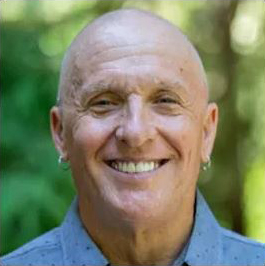
Published by Ian Whitelaw Counseling for Men, the practice of Ian Whitelaw, Washington State Registered Hypnotherapist (HP61341961). Last updated October 27, 2026. This page is general information, not medical or mental health advice, a diagnosis or a substitute for care.