
This may fit if
- You wake up tired and dread Monday by Saturday afternoon.
- You've stopped caring about work you used to take pride in.
- You snap at your family, then feel bad about it.
- You can't remember the last time you fully switched off.
- You keep telling yourself it will ease up after the next deadline.
What is burnout, exactly?
The World Health Organization describes burnout as the result of chronic workplace stress that has not been well managed. It names three parts: feeling drained or exhausted, feeling distant or cynical about your job, and getting less done or feeling less effective at it.
The WHO is clear that burnout is a work-related experience, not a medical condition. That matters. It means burnout isn't a flaw in you. It is what happens when the demands keep coming and the recovery time doesn't.
What does burnout look like in men?
Many men I talk with don't say they are burned out. They say they're fine, just tired. The signs often show up sideways:
- Short temper, irritability or going quiet at home
- Trouble sleeping, or sleeping and never feeling rested
- Leaning more on alcohol, screens or caffeine to get through
- Headaches, tight shoulders or a stomach that's always off
- Going through the motions at work and counting the hours
- Pulling away from friends, hobbies and the outdoors

How can sessions help with burnout?
I am a registered hypnotherapist based in Bellingham, Washington, and I work one-on-one with men. I can't change your workload or your boss. What we can work on is how you carry the load, where your limits are, and what you need to start getting back.
We often start with the basics: sleep, movement, food and some time each day that belongs to you. The National Institute of Mental Health lists these, along with relaxation and staying connected with people, as everyday ways to care for your mental health. Many men know this already. The hard part is doing it when you're spent, and that's where we focus.
Hypnotherapy and guided relaxation give your nervous system a break and a way to practice switching off. I can also teach you a short self-hypnosis or breathing routine to use between meetings. For more on that, see hypnosis for stress. If burnout is showing up as a short fuse, anger and frustration covers that side.
What does working together look like?
- Introductory callA short call to talk about what's going on and whether my approach fits. You can ask anything.
- Take stockIn the first session we map where your energy goes, what drains you most and what still gives something back.
- Rest and reset toolsWe practice guided relaxation or hypnotherapy, and pick one or two small changes to try that week.
- Limits and pressureOver later sessions we look at the harder parts: saying no, expectations you've taken on, and what you want work to mean.
When should you see a doctor instead?
Burnout can look a lot like other things, including depression or a physical health problem. The National Institute of Mental Health suggests getting professional help if severe or distressing symptoms, like trouble sleeping, changes in appetite, trouble getting out of bed, or irritability, have lasted two weeks or more. Start with your doctor, who can check your physical health and refer you to a licensed mental health professional. You can work with me alongside that care.
Ian Whitelaw Counseling for Men is not an emergency service. If you are in crisis or thinking about suicide, call or text 988, or call 911 if you are in immediate danger.
Common questions
Is burnout just stress?
They overlap. Stress usually rises and falls with a situation, like a deadline or a busy season. Burnout is what can build when work stress runs on for a long time without enough recovery, and it tends to bring that drained, cynical, getting-nowhere feeling. Either way, it is worth taking seriously before it spills into your health and home life.
I can't take time off. Is there any point?
Yes. Most men I see are still working full time. We look for changes that fit the life you have, such as a short relaxation routine, a firmer end to the workday or one honest conversation. Sessions are online, by video or by phone, for men located in Washington State at the time of each session, so there is no commute to add, whether you work in Bellingham or elsewhere in Whatcom County.
Can I meet during my workday?
My hours are Monday to Friday, 9 am to 5 pm Pacific. Some men meet on a lunch break from a quiet room or a parked car, which works fine by phone or video. See online sessions for tips on privacy and setup.
What does it cost and how do I book?
Fees are on the fees and insurance page. I'm out of network, and I can give you a superbill to send to your plan. To book, use the contact page, or read about me first if you want to know who you'd be talking to.
References
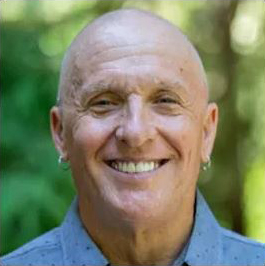
Published by Ian Whitelaw Counseling for Men, the practice of Ian Whitelaw, Washington State Registered Hypnotherapist (HP61341961). Last updated October 27, 2026. This page is general information, not medical or mental health advice, a diagnosis or a substitute for care.