
This may fit if
- You feel more like roommates than partners lately.
- Arguments keep circling back to the same few topics.
- You go quiet or shut down when things get tense.
- You are starting a new relationship and want to do it differently this time.
- You are thinking about ending a relationship and want a clear head first.
- Your partner has asked you to get some support, and you are not sure where to start.
What does disconnection with a partner feel like?
For a lot of men it does not show up as one big fight. It shows up as distance. You come home, eat, look at a screen, and go to bed. The talks you do have are about schedules and bills. You might feel lonely while sitting next to the person you love.
Some men feel it as irritation. Others feel it as numbness, or as a low hum of not being good enough. Many men tell no one, because they were raised to handle things on their own. That habit makes sense, and it can also keep you stuck.
Research summarized by Harvard Health links close, supportive relationships with better health, and long-running relationship strain with more stress. So the distance you feel at home is worth taking seriously. It is not a weakness to want it to change.
Do you see couples, or only men?
I work one-on-one with adult men. I do not offer couples sessions. That is a choice, not a limit on what you can do. Some of the most useful changes in a relationship start with one person looking honestly at his own patterns.
If you and your partner want to work on the relationship together, a licensed marriage and family therapist or couples therapist is the right fit for that. Many men do both: joint sessions with a couples professional, and their own sessions with me to sort out what is going on inside them.

What can we work on together?
Each man's situation is different, so we start with what matters most to you. These are common places to begin:
- Speaking up about what you need without it turning into a fight. The communication page has practical tools.
- Setting boundaries, and respecting your partner's, with less guilt.
- Talking about money as a team instead of as opponents.
- Sex, trust and closeness, including after a betrayal. See infidelity and rebuilding trust.
- Beginning a new relationship, or ending one with as little damage as you can manage. If you are already apart, see divorce and separation support.
- Handling your own stress so it does not spill onto the people you live with.
How do my sessions work?
I am a registered hypnotherapist, and I combine talk-based counseling with hypnotherapy, guided relaxation and simple cognitive behavioral tools. You can read more about me and my training. Sessions are online, by secure video (Zoom) or by phone, for men who are located in Washington State at the time of each session.
- A short introductory callYou tell me a little about what is going on, and I explain how I work. If it does not sound like a fit, I will say so and suggest other options.
- Getting clear on the patternIn the first sessions we look at what actually happens at home: the triggers, what you say, what you hold back, and what you want instead.
- Calming the body firstHard talks go better when you are not flooded. Many men find hypnotherapy and guided relaxation help them feel steadier. My stress page explains the self-hypnosis routine I teach.
- Practice between sessionsYou take one small, concrete thing home each week, try it, and we look at how it went. The work happens in your real life, not only in the session.
What if things feel unsafe at home?
My sessions are not the right place for a relationship where anyone feels afraid or is being hurt. If that is happening, please reach out to the National Domestic Violence Hotline at 1-800-799-7233 or a local advocate first.
Ian Whitelaw Counseling for Men is not an emergency service. If you are in crisis or thinking about harming yourself or someone else, call or text 988, or call 911.
How do I get started?
The first step is small and private. Call, email or send a message and we can set up an introductory call. I work with men in Bellingham, across Whatcom County and anywhere in Washington. The fees and insurance page explains payment and superbills.
Common questions
Can I come by myself if my partner will not join?
Yes. My sessions are always one-on-one with men, so you do not need your partner to take part. Many men start on their own because they want to understand their side of things before a bigger conversation. We can talk about privacy and confidentiality on the introductory call, so you know what to expect before you share anything.
Will you tell me whether to stay or leave?
No. That decision belongs to you. What I can do is help you slow down, see the situation more clearly and notice what you really want, not just what you feel in the heat of an argument. Some men decide to stay and work on things, and some decide to part. Either way, you choose.
Is this the same as couples counseling?
No. Couples counseling has both partners in the room with a licensed professional who works with the relationship as a whole. My sessions are with you alone and focus on your part: your stress, your habits and how you show up. The two can work well side by side if you want both.
How is hypnotherapy useful for relationship problems?
Hypnotherapy will not change your partner, and it cannot make anyone do something against their will. You stay aware and in control the whole time. Many men find it helps them feel calmer and less reactive, which can make hard talks easier. We use it alongside plain conversation and practical tools, not instead of them.
References
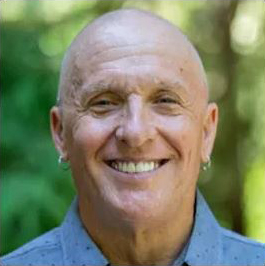
Published by Ian Whitelaw Counseling for Men, the practice of Ian Whitelaw, Washington State Registered Hypnotherapist (HP61341961). Last updated October 27, 2026. This page is general information, not medical or mental health advice, a diagnosis or a substitute for care.