
This may fit if
- You keep promising yourself you will stop, and then you don't.
- Your sexual behavior is causing you or someone you love real distress.
- You are living with secrets and the strain of keeping them.
- Shame keeps you from talking to anyone about it.
- You want to understand the pattern, not just be told to quit.
When does sexual behavior become a problem?
Many men use the words "sex addiction". Whatever you call it, the question that matters is whether your sexual behavior feels out of control, is causing you or others distress, or is affecting your life and relationships.
It can take different forms: affairs, paying for sex, hours on apps or websites, or a pattern you keep going back to even after it has cost you. Stress and pressure can feed it, and for some men it becomes a way to block out feelings that are hard to face.
If porn is the main part of what you are struggling with, my page on porn addiction support goes into that more directly.
What can you offer, and what can't you?
I want to be clear about this, because you deserve to know who you are talking to. I am a registered hypnotherapist in Washington. I am not a certified sex addiction therapist (CSAT) and I am not a licensed mental health professional. What I offer is support, not a medical or addiction program.
- Easing shame: talking about what has happened with someone who will not judge or lecture you.
- Hypnotherapy and guided relaxation for urges, stress and the restless moments when old habits pull hardest.
- Accountability tools: a simple plan you set up yourself, and regular check-ins on how it is going.
- Rebuilding honesty: thinking through what to say, and to whom, when you are ready.
- Looking at what sits underneath, such as stress, loneliness or old hurts, at your pace.

When should I see a CSAT or a licensed professional instead?
Sometimes a certified sex addiction therapist or another licensed mental health professional is the better fit, and I will tell you so honestly. That includes when your behavior is getting riskier, when it involves anyone who has not consented or anyone under 18, when it comes with heavy drinking or drug use, or when you feel very low for weeks at a time. I can help you think about where to look.
Peer support helps many men too. Sex Addicts Anonymous (SAA) and Sexaholics Anonymous (SA) are free Twelve Step fellowships with no fees or dues. The two groups define sobriety differently, so read how each describes itself and see which fits you. You can use a fellowship alongside sessions with me.
Ian Whitelaw Counseling for Men is not an emergency service. If you are in crisis or thinking about suicide, call or text 988, or call 911.
What do sessions look like?
- A private first callYou reach out by phone, email or the form. You do not have to give details in a message. We talk about what is going on and whether my sessions fit, or whether another kind of help would serve you better.
- Understanding the patternWe look at when the urges come, what tends to set them off, and what the behavior gives you and costs you.
- Building toolsWe practice hypnotherapy and relaxation for urges and stress, and set up accountability steps that feel realistic to you.
- Reviewing honestlyEach session we look at the past week without blame. Slips are information, not a verdict on who you are.
What about my partner?
I work with men one-on-one, so I do not offer couples sessions. If your partner has found out, or you are deciding whether to tell them, we can work through that in your sessions. Partners are often hurting too, and many benefit from their own support with a licensed therapist or a group for partners.
If trust in your relationship has been broken, my page on infidelity and trust covers rebuilding honesty in more detail.
Is this private?
I know this is one of the hardest things for a man to bring up. Sessions are online, by secure video (Zoom) or by phone, for men who are located in Washington State at the time of each session, so you can talk from a private room without being seen in a waiting room in Bellingham. Ask me how privacy works in my sessions when we first speak.
You can read more about me and see my fees and insurance page before you decide.
Common questions
Is compulsive sexual behavior the same as sex addiction?
People use different words for it. I do not put a label on you. What matters in my sessions is how your behavior affects your life and the people close to you, and what you want to change. A licensed mental health professional can give a formal assessment if you want one.
Will you judge me?
No. Shame usually keeps the pattern going, so piling more on does not help. I will not moralize or lecture. My job is to listen, help you understand what drives the behavior, and support the changes you choose. You decide what you are ready to talk about and when.
Do I have to go to SAA or SA meetings to work with you?
No. Going to a fellowship is your choice. Many men find that hearing from others who have been through the same thing eases the isolation, and both groups have no fees. If you want to try one, we can talk about how it might fit alongside our sessions.
Can hypnotherapy stop the urges?
I cannot promise that, and I would be wary of anyone who does. Many men find hypnotherapy and guided relaxation helpful for calming stress and riding out urges without acting on them. It works best alongside practical tools, honest check-ins and, where it fits, a fellowship or a licensed mental health professional.
References
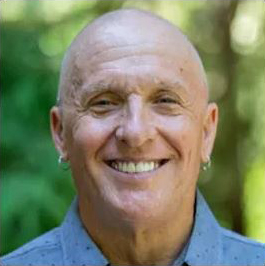
Published by Ian Whitelaw Counseling for Men, the practice of Ian Whitelaw, Washington State Registered Hypnotherapist (HP61341961). Last updated October 27, 2026. This page is general information, not medical or mental health advice, a diagnosis or a substitute for care.