
This may fit if
- You are curious about hypnotherapy but unsure what really happens in a session.
- Stress or nervousness keeps showing up at work, at home or before big moments.
- There is a habit or reaction you would like more say over.
- You want something practical you can also practice on your own.
- You would rather talk with another man than sit through a lecture.
What is hypnotherapy?
Hypnosis, also called hypnotherapy, is a changed state of awareness with deep relaxation and focused attention. A trained guide uses a calm voice, repetition and mental images to help you settle. In that state, people tend to be more open to suggestions about the changes they have already chosen to make.
It is a lot less mysterious than it sounds. Most people describe it as being very relaxed and absorbed, a bit like being lost in a good book or a long drive, while still knowing exactly where they are. I am a registered hypnotherapist with the Washington State Department of Health, and I use hypnotherapy alongside conversation, guided meditation and practical tools. You can read more about my background on the about page.
What does a hypnotherapy session look like?
Nothing happens that you have not heard about first. We agree on the goal and the words before any hypnosis begins.
- We talk firstYou tell me what is going on and what you would like to be different. I explain how hypnosis works and answer your questions.
- Settling inI guide you into relaxation with slow breathing, a calm image or relaxing your muscles one group at a time. You stay aware the whole time.
- Suggestions you agreed toWhile you are relaxed, I use the words and images we chose together, for example feeling steadier before a hard conversation.
- Coming backI guide you back to full alertness. Then we talk about what you noticed and what felt useful.
- Something to take homeOver time, many people learn self-hypnosis, a short way to relax and refocus on their own between sessions.

What can hypnotherapy help with, and what can it not do?
Research on hypnosis is still developing, and the results are mixed. Mayo Clinic notes that hypnosis may help people cope with stress and anxiety, and it has been used with some success for habits such as smoking and sleep problems. The National Center for Complementary and Integrative Health reports promising but not conclusive results for anxiety before medical procedures, and conflicting results for quitting smoking.
In my sessions with men in Bellingham and across Washington, hypnotherapy is a support for everyday things: stress, worry and nervousness, confidence, habits and feeling stuck. It is not a replacement for care from a doctor or a licensed mental health professional. My work is support for everyday struggles, not medical or mental health care.
Hypnosis is not right for everyone. Not all people can relax into it deeply, and Mayo Clinic notes it may not be safe for some people with severe mental illness. If something serious is going on, I will tell you honestly and suggest who to see.
Can hypnosis make me do things I don't want to?
Many men picture a stage show or a swinging watch. Real hypnotherapy looks nothing like that.
- It is not sleep. Most people stay aware and remember what happens.
- Mind control is a stage myth, not something that happens in a session. You keep control over what you say and do.
- It cannot make you do anything against your will, and you can open your eyes and stop at any time.
- It is not a way to dig up hidden memories. I do not use it to search the past for events you do not remember.
- Any change comes from your own choices. Hypnosis is a way to practice them while relaxed.
How do I start hypnotherapy with Ian in Bellingham?
I work online, by secure video (Zoom) or by phone, with men who are located in Washington State at the time of each session. That means no drive across town and no waiting room. Many men find hypnosis works well from a quiet room at home, and the online hypnotherapy page explains how to set one up.
The first step is an introductory call, so you can ask questions and see if the fit feels right. You can call or email me, or use the contact form. Fees and superbills for out-of-network insurance are on the fees page.
If you are in crisis or thinking about harming yourself, call or text 988 or call 911 now. Ian Whitelaw Counseling for Men is not an emergency service.
Common questions
Will I remember what happened during hypnosis?
Most people do. Hypnosis is a relaxed, focused state, not sleep, and people usually stay aware and remember the session. Some men feel so relaxed that a few moments seem hazy, which is normal. Afterward we talk through what you noticed, so nothing is left as a mystery.
What if I can't be hypnotized?
Some people relax into hypnosis easily and others less so, and it is not a test you pass or fail. If deep hypnosis does not suit you, guided relaxation, meditation and practical tools may still be useful. I would rather tell you it is not clicking than keep doing something that is not helping.
Is hypnotherapy safe?
For most people it is a calm, low-risk experience. Mild after-effects such as a headache, sleepiness or feeling unsettled can happen but are uncommon, so tell me if you notice any. Hypnosis may not be safe for some people with severe mental illness. If that applies to you, please talk with your doctor first.
How many hypnotherapy sessions will I need?
There is no set number. Some men want a few sessions for one clear goal, and others prefer regular sessions for a while. Changes usually take some time and practice between sessions. We check in along the way about whether it is useful, and you decide how long to continue.
References
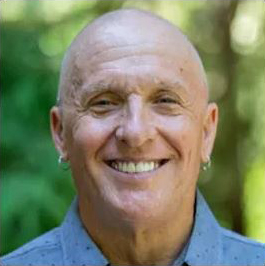
Published by Ian Whitelaw Counseling for Men, the practice of Ian Whitelaw, Washington State Registered Hypnotherapist (HP61341961). Last updated October 27, 2026. This page is general information, not medical or mental health advice, a diagnosis or a substitute for care.